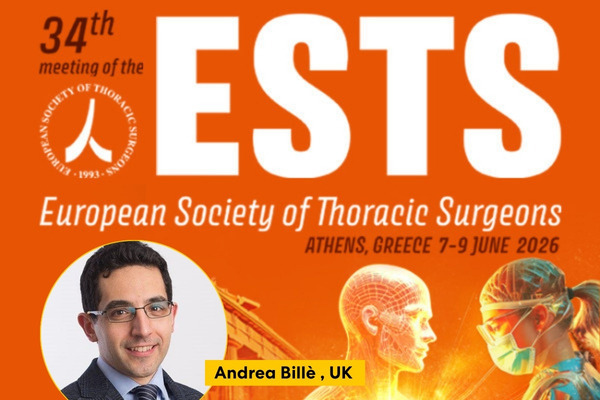
This e-learning module is based on the first presentation from the Medela-sponsored ESTS 2026 symposium, Delivering High-Value Thoracic Surgery: Outcomes, Processes and Quality Improvement. In this session, thoracic surgeon Andrea Billè (United Kingdom) explores the critical role of data in driving quality improvement initiatives. Learners will examine how baseline performance measurement, outcome evaluation, and identification of variations in clinical practice provide the foundation for improving patient care. The session highlights the importance of understanding current performance to support evidence-based decision-making, reduce unwarranted variability, and enhance outcomes in thoracic surgery. Key learning topics: The importance of measuring baseline performance Outcome evaluation as a driver of quality improvement Identifying variability in clinical practice Using data to support continuous improvement in thoracic surgery Continue the symposium series: Session 2: Creating Standardised Drain Management Pathways with Lars Geenen Session 3: Implementation – Transforming Data and Pathway into Value-Based Clinical Care with Eric Lim Read more
Rating
Content
Price

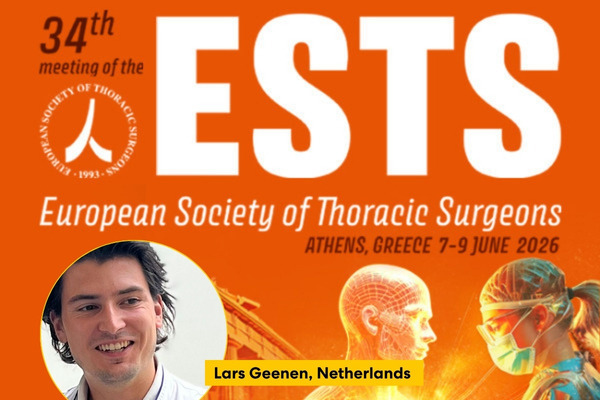
This e-learning module is based on the second presentation from the Medela-sponsored ESTS 2026 symposium, Delivering High-Value Thoracic Surgery: Outcomes, Processes and Quality Improvement. In this session, Lars Geenen, PhD (The Netherlands) explores how evidence-based, standardized chest drain management pathways can improve quality and consistency in thoracic surgery. Learners will examine how standardized approaches can reduce variability in care, support earlier chest drain removal, and enable selective drain omission in appropriately selected patients. The session also addresses the practical and cultural challenges associated with implementing change and highlights the importance of multidisciplinary collaboration, clear clinical protocols, and continuous audit in achieving sustainable improvements in patient outcomes. Key learning topics: The role of standardized chest drain management pathways in reducing variability of care Strategies to support earlier chest drain removal and selective drain omission Common barriers to implementing practice change in thoracic surgery The importance of multidisciplinary collaboration and clear protocols Using continuous audit and feedback to support quality improvement initiatives Continue the symposium series: Session 1: Data: Evaluating Baseline of Quality Improvement and Variability of Care with Andrea Billè Session 3: Implementation: Transforming Data and Pathways into Value-Based Clinical Care with Eric Lim Read more
Rating
Content
Price
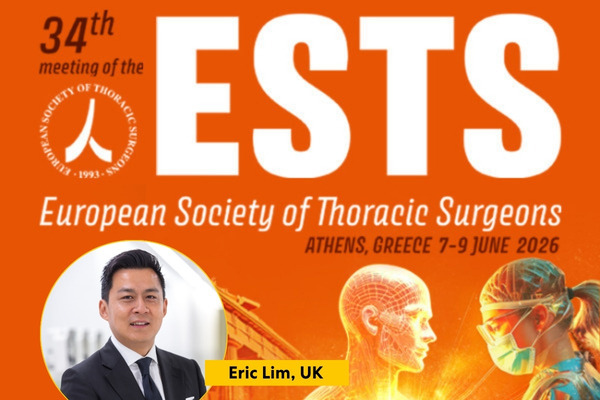
This e-learning module is based on the third presentation from the Medela-sponsored ESTS 2026 symposium, Delivering High-Value Thoracic Surgery: Outcomes, Processes and Quality Improvement. In this session, Eric Lim (United Kingdom) examines how thoracic surgery teams can successfully translate data insights and standardized clinical pathways into sustainable, value-based clinical care. Building on the principles of measurement and pathway development explored in the previous sessions, learners will explore practical strategies for implementing change, improving adherence to evidence-based practices, and supporting Enhanced Recovery After Surgery (ERAS) programmes. The session highlights how effective implementation can reduce variability, improve patient outcomes, and create lasting value across the thoracic surgery care pathway. Key learning topics: Translating data insights into clinical practice improvements Implementing standardized pathways to support value-based care Strategies for driving and sustaining practice change The role of implementation in reducing variability and improving outcomes Supporting ERAS programmes through evidence-based clinical processes Continue the symposium series: Session 1: Data: Evaluating Baseline of Quality Improvement and Variability of Care with Andrea Billè Session 2: Creating Standardised Drain Management Pathways with Lars Geenen Read more
Rating
Content
Price

This webinar explains how change was initiated by an ICU nurse and the experiences in a level 1 trauma center in Amsterdam. The two speakers start with their idea, how they gathered knowledge, took action and implemented the Thopaz+ digital chest drainage system. Additionally they share the challenges they overcame and their keys to success. Presenters Floris Brouwers Senior nurse trauma surgery, Amsterdam VUmc, the Netherlands Indy Kelderman Researcher trauma surgery, Amsterdam VUmc, the Netherlands Read more
Rating
Content
Price

This video based course talks through step by step how to set up the Thopaz+ device, including tubing and canister connection. Ideally you should have the equipment in front of you to follow the steps or alternatively use the Thopaz+ Simulator App. This course is part of an educational package to enhance your knowledge and confidence using the Thopaz+ device. This course is available in English, German, French, Italian and Spanish (click on the link for the language to access). Read more
Rating
Content
Price

This short course explains in simple terms the answers to the following questions: What are the advantages of regulated suction in a chest drainage system? How do analogue and digital chest drainage systems work? Read more
Rating
Content
Price
Shopping Cart
Your cart is empty